
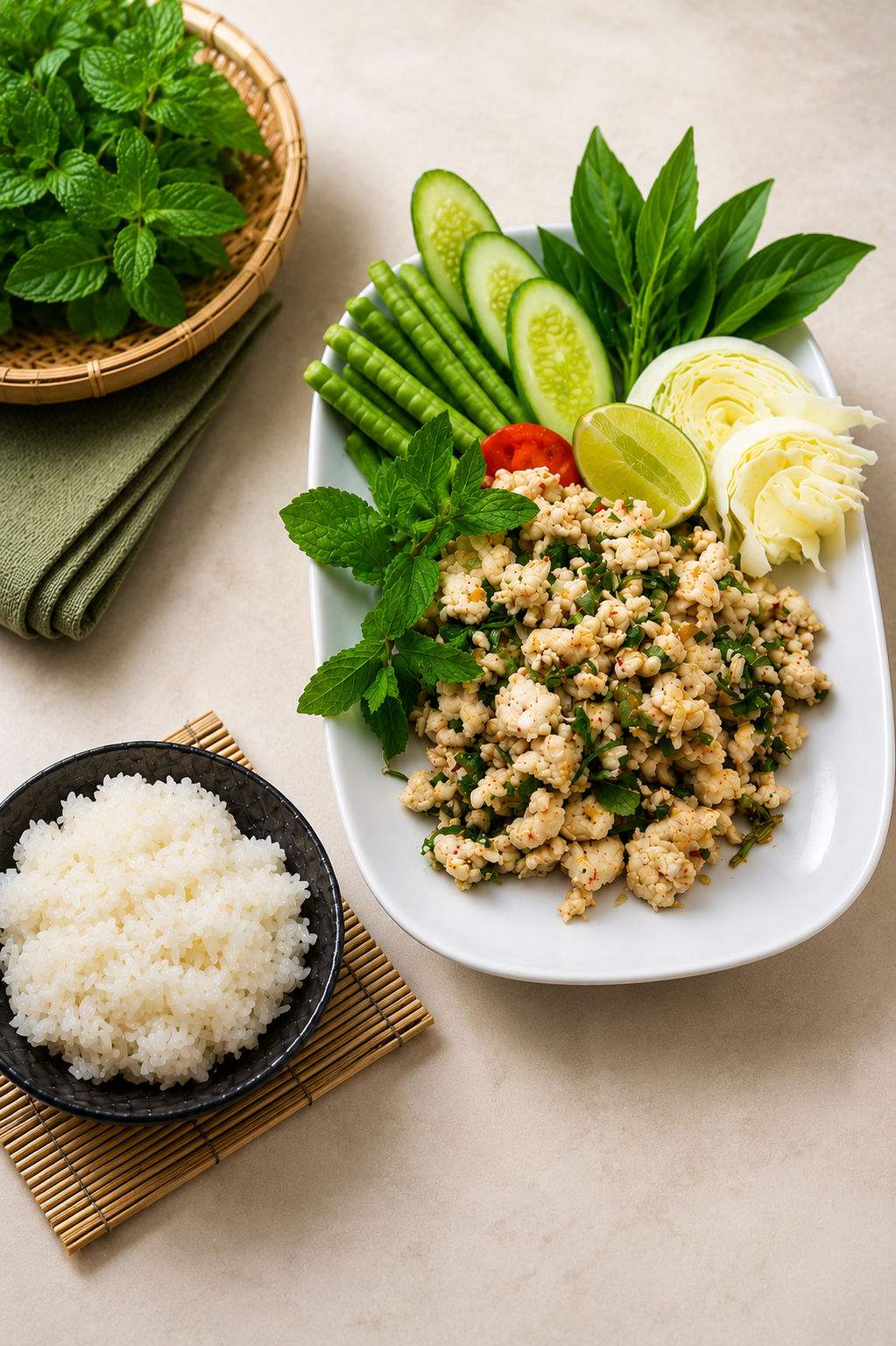
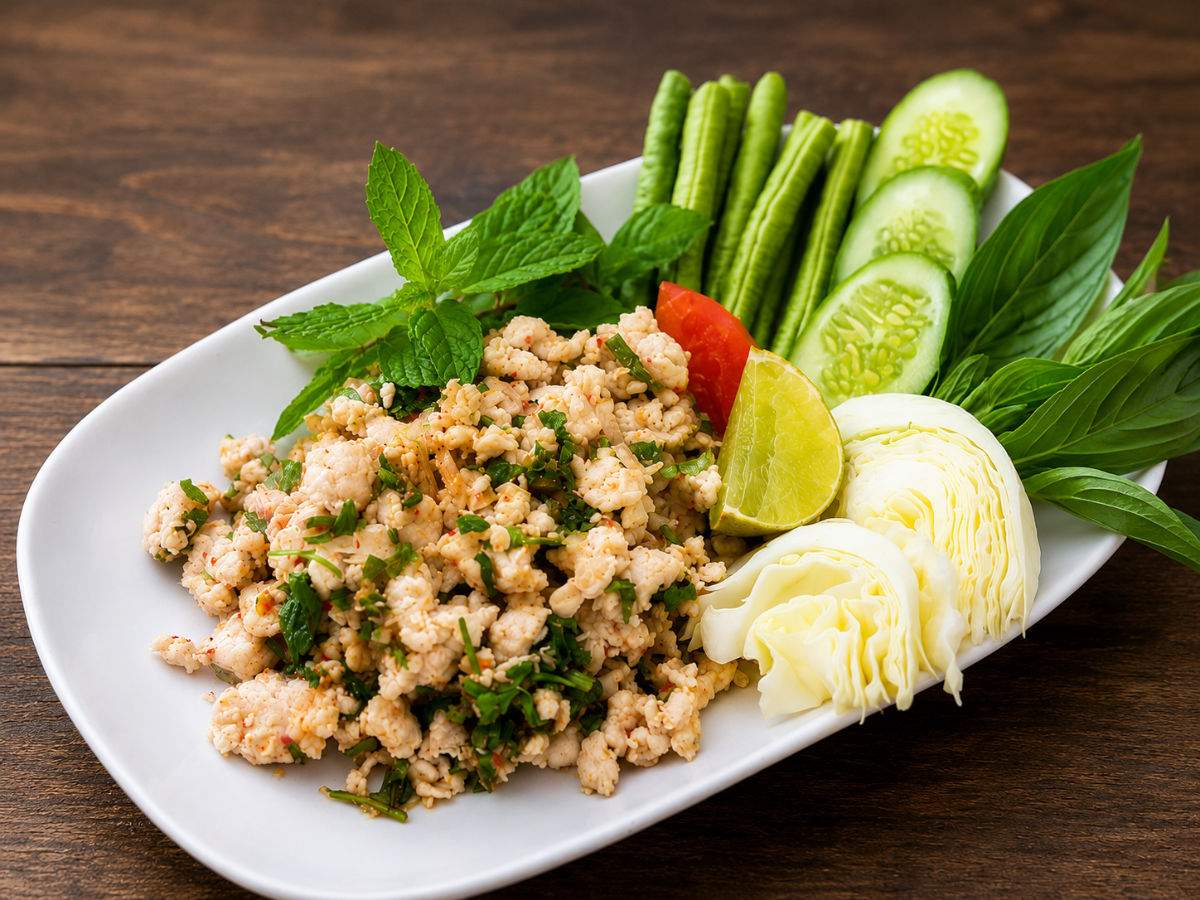
Le Laab kai, also spelled larb gai, is a Thai minced chicken salad flavoured with lime juice, fish sauce, fresh herbs and toasted sticky rice powder. Originally from Isaan, in northeastern Thailand, this chicken laab is generally served warm or at room temperature, accompanied by sticky rice and raw vegetables.
Laab can also be made with pork—in which case it is called laab moo—as well as beef, duck, fish or shrimp. In this recipe, I use chicken and a moderate amount of chilli, which you can, of course, adjust to your taste.
Laab, larb, lap or laap: which spelling should you use?
Le nom de ce plat varie car, en Thaï, on ne prononce presque pas les consonnes finales. On avale les sons. Il est donc difficile de définir avec précision si on utilise plutôt le son « p » ou « b » à la fin du mot. Larb serait plutôt la prononciation anglophone et laab la version francophone. C’est assez amusant, en Thaïlande, il y a différentes manières d’écrire les mots avec notre alphabet. Dans ma région, les panneaux de signalisation des localités sont écrits en thaï et en anglais. Le nom d’un même village n’est pas écrit de la même manière d’un panneau à l’autre. On voit différentes versions : Ban, Bhan, Bahn, juste pour ne citer qu’un exemple.
En anglais, on rencontre très souvent larb, même si le « r » final ne correspond pas vraiment à la prononciation thaïe. Les formes laab and laap donnent une meilleure idée de la façon dont le mot est prononcé.
Chicken is called gai in Thai, but the word can also be transcribed as kai or kaï. Laab kai and laab gai therefore both refer to chicken laab.
🇹🇭 En Thaïlande : Le laab, le plat emblématique de l’Isan
Le laab est l’un des plats les plus emblématiques du nord-est de la Thaïlande (Isan). Il est traditionnellement servi avec du riz gluant et une grande assiette de légumes frais comme le concombre, le chou, les haricots longs ou les herbes aromatiques. Chaque famille possède sa propre recette, plus ou moins pimentée selon les goûts.
Is Thai laab very spicy?
In Isaan, laab is generally served very spicy. My laab kai recipe uses a more moderate amount of chilli, but you can add more if you like. The laab served in local restaurants is often too hot even for me, although I enjoy spicy food. I have to ask for it without chilli to get the right level because, as you may already know, in Thailand “no chilli” often means: “We’ll add a little anyway, otherwise it won’t have any flavour.”
✨ Last updated: July 2026
This recipe has been fully updated with new information about the origins of laab, its traditional ingredients, the different Thai variations, and plenty of tips drawn from my experience in Thailand.
Essential Ingredients for Laab Kai
Fresh galangal
In my recipe, I use fresh galangal, which gives the chicken a fresh, aromatic flavour. It tastes quite different from ginger, so I do not recommend automatically substituting one for the other.
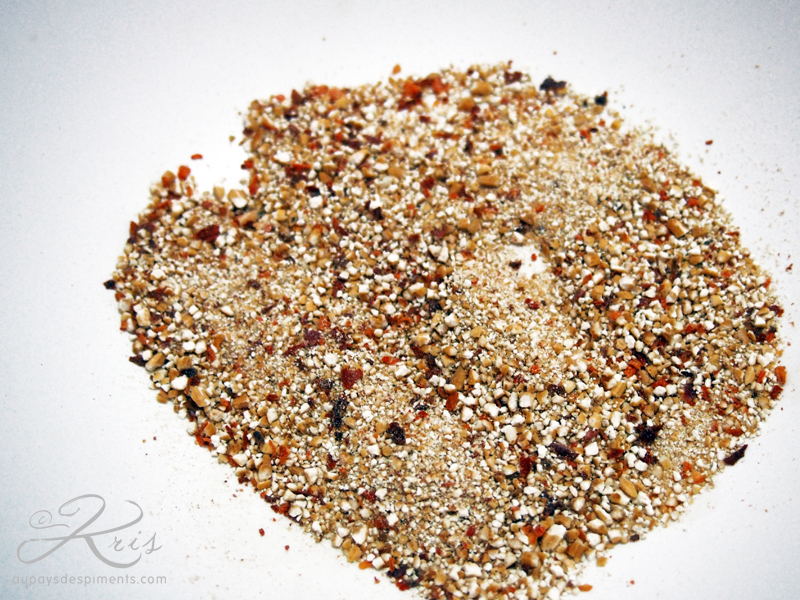
Toasted sticky rice powder
Toasted sticky rice powder, known as khao khua in Thai, gives laab its distinctive texture and lightly toasted aroma.
💡 Tip: Make your own toasted rice powder
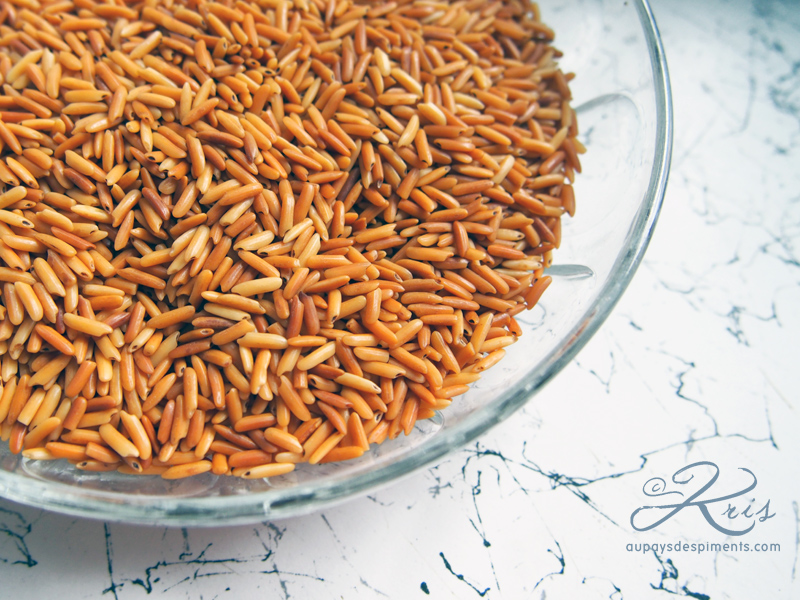
La poudre de riz grillé (khao khua) est l’un des secrets d’un bon laab. Fais griller du riz gluant cru (avec quelques feuilles de combava si tu le souhaites)jusqu’à ce qu’il soit bien doré, puis réduis-le en poudre. Son parfum de noisette apporte une saveur et une texture incomparables que les versions industrielles n’offrent pas.
Si tu as du riz gluant, tu peux facilement préparer cette poudre. Si tu n’en as pas, tu peux utiliser du riz thaï (riz parfumé) à la place. Here is how to prepare it:
Il suffit de mettre 1 poignée de riz (ou plus) dans une poêle et de chauffer à sec (sans huile) à feu moyen. Mélange sans arrêt jusqu’à ce que le riz ait une jolie couleur ambrée. Cela prend une dizaine de minutes.
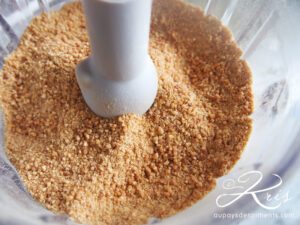
Leave it to cool, then grind it in a blender until you have a fairly fine powder.
Roasted chilli powder
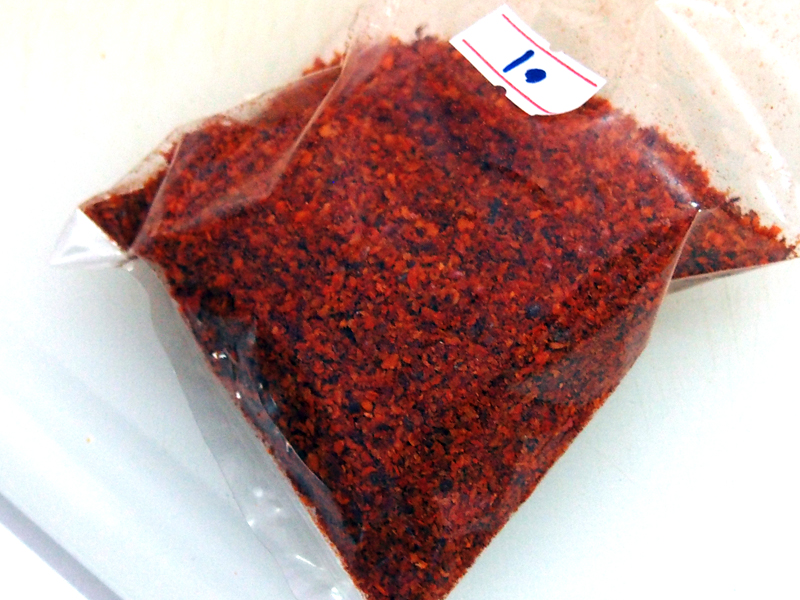
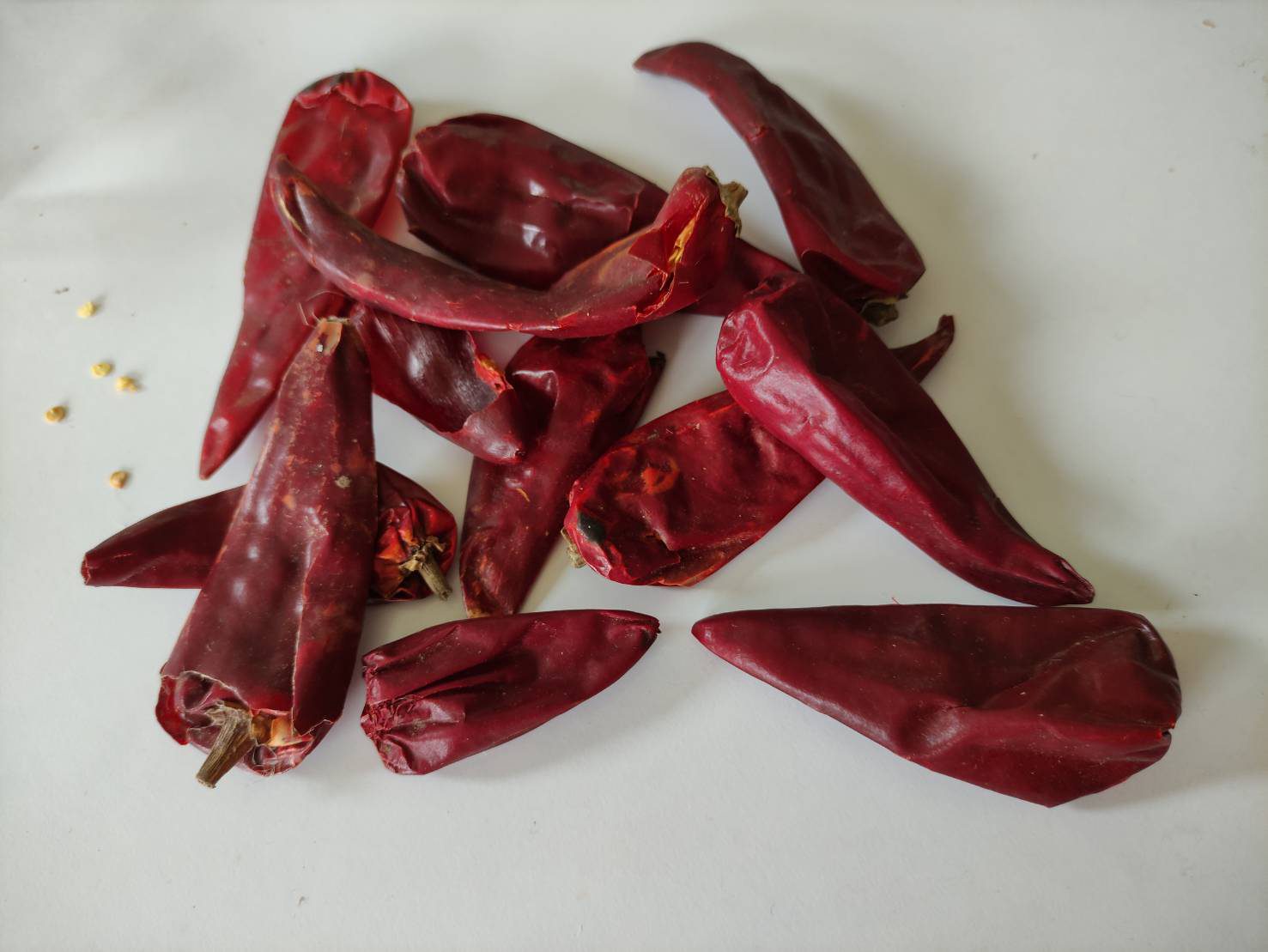
Il s’agit de piments séchés grillés puis réduits en poudre, et non de piment d’Espelette. Tu trouves cette poudre de piment dans les épiceries asiatiques. It is also easy to make at home: find the instructions here.
Fresh herbs
Fresh herbs make all the difference. Choose fragrant mint and fresh coriander leaves. Add them once the chicken has cooled slightly so that they retain their freshness and aroma.
What type of chicken should you use for laab kai?
Chicken breast works very well, but you can also use boneless chicken thighs, which are slightly more tender and juicy. The meat is not fried in oil; it cooks gently in its own juices with the seasoning.
To achieve laab’s characteristic texture, the chicken should be finely chopped without being turned into a paste. It is even better when chopped by hand. You can ask your butcher to prepare it or easily do it yourself.
How to mince chicken for laab
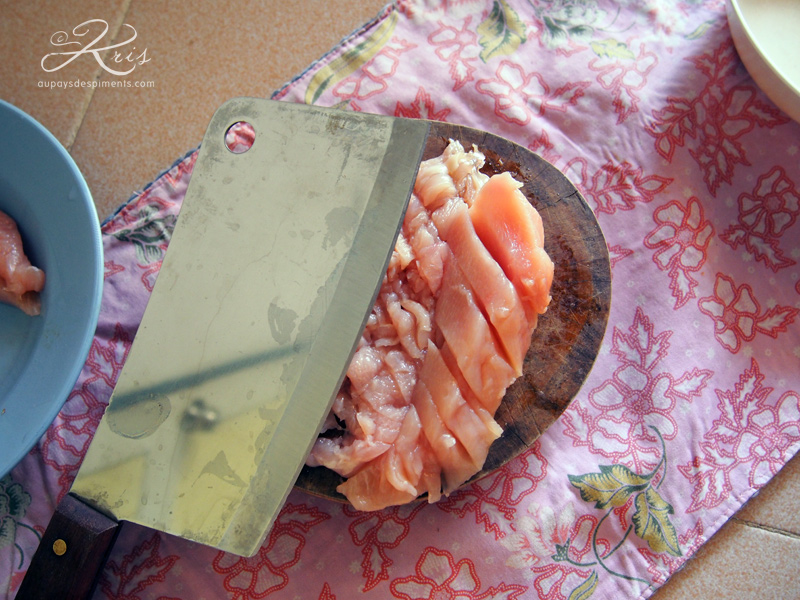
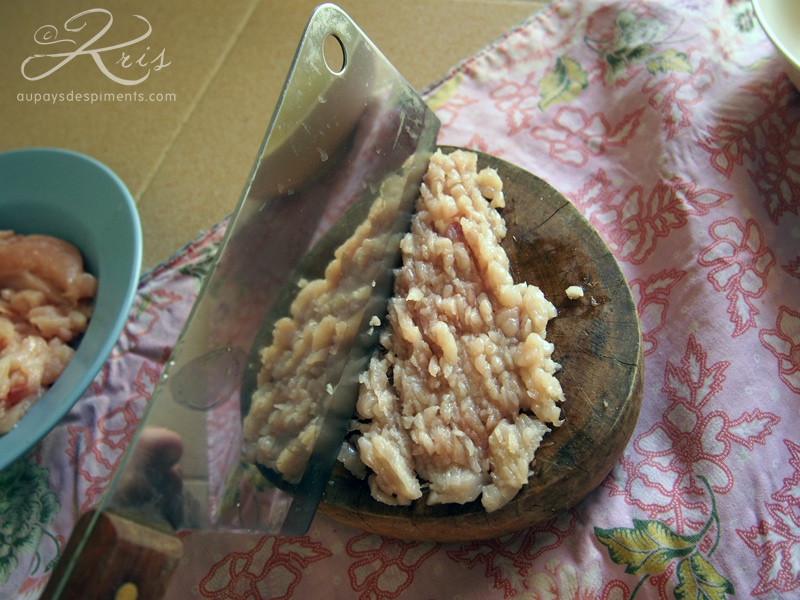
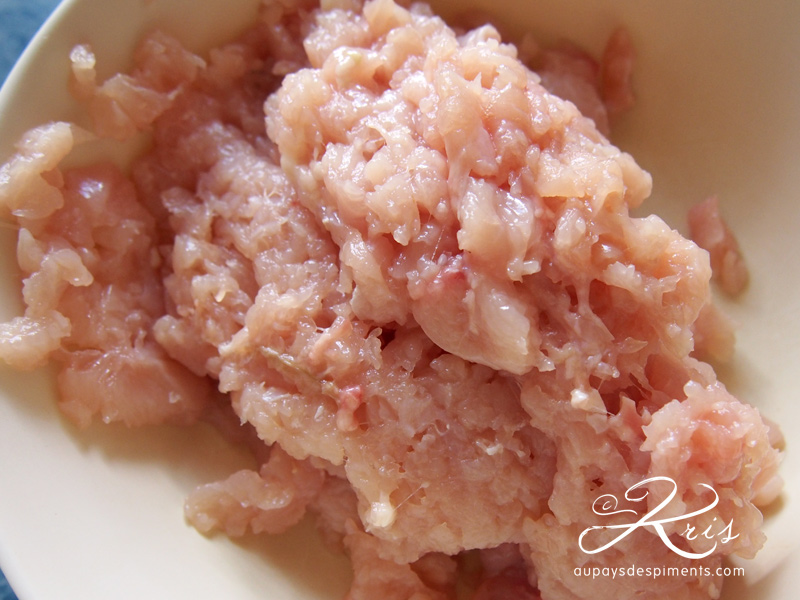
Sur une planche à découper bien solide, avec un gros couteau bien affûté, tu tapes sur tes filets de poulet pour les hachouiller tout fin. Si tu veux pas que tes voisins du dessous te détestent, place un torchon sous la planche pour atténuer le bruit. Tu peux préparer la viande par petites portions, c’est rapide, efficace et facile .
🍽️ What to serve with chicken laab
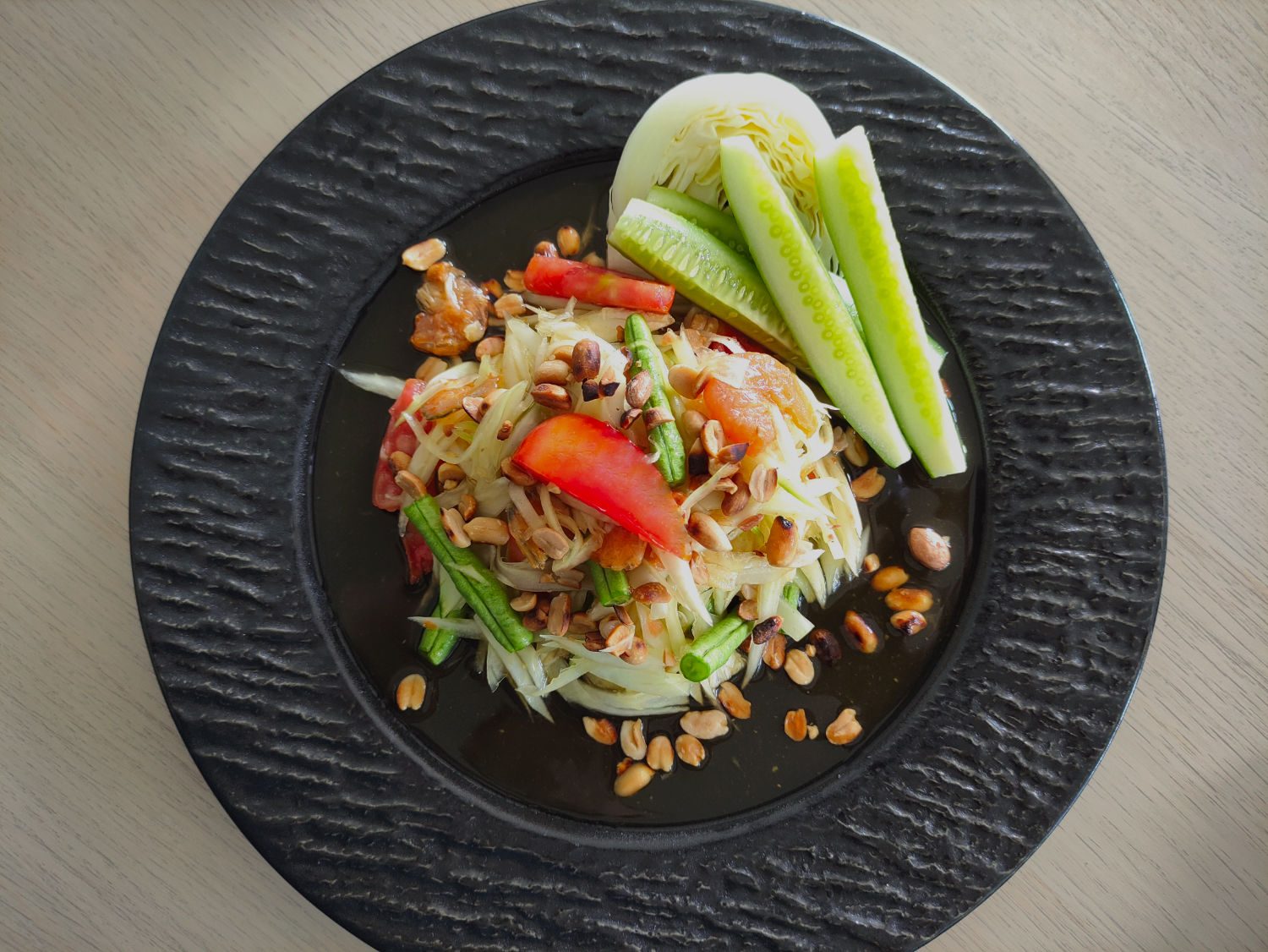
In Thailand, laab kai is generally served with sticky rice,known as khao niao, along with raw vegetables and fresh herbs.You can serve it with cucumber, white cabbage, long beans, mint leaves, Thai basil and lime wedges. For a complete Isaan-style meal, pair it with green papaya salad, Thai grilled chicken and sticky rice.
Other Thai Dishes to Serve with Laab
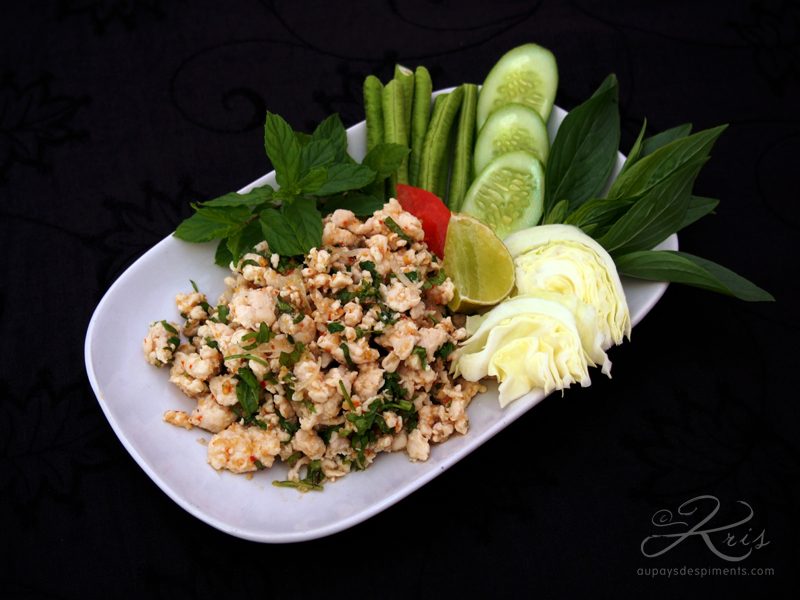
Laab Kai – Thai Chicken Salad
Ingredients
- 300 g minced chicken breast
- 3 tbsp of fish sauce
- 2 tbsp of lime juice
- ½ tsp of chicken stock powder
- 6 cl of water
- 2 tbsp of fresh galangal finely chopped
- 3 shallots
- 3 tbsp of fresh coriander leaves chopped
- 3 tbsp of fresh mint leaves chopped
- 2 tbsp of toasted sticky rice powder
- 1 tsp of dried chilli powder more or less, to taste
Cucumber, white cabbage, raw long beans, mint and basil leaves, lime wedges…
to serve with the dish
Instructions
- Peel the shallot and slice it thinly lengthways.
- Place the chicken, shallot, galangal, fish sauce, lime juice, chicken stock powder and water in a saucepan. Mix well.
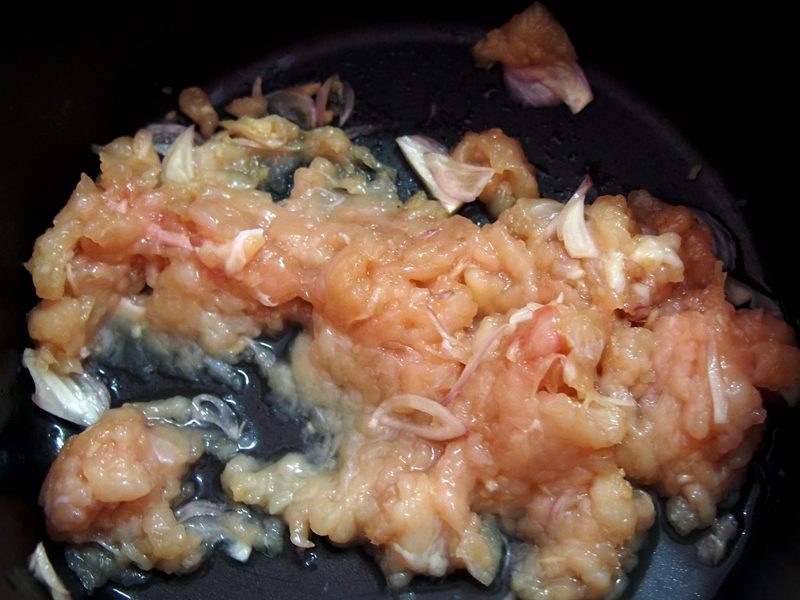
- Cook over medium heat for 5 minutes, stirring well. If the chicken is cooked through, remove the pan from the heat. Otherwise, cook it for a few more minutes. Leave to cool.
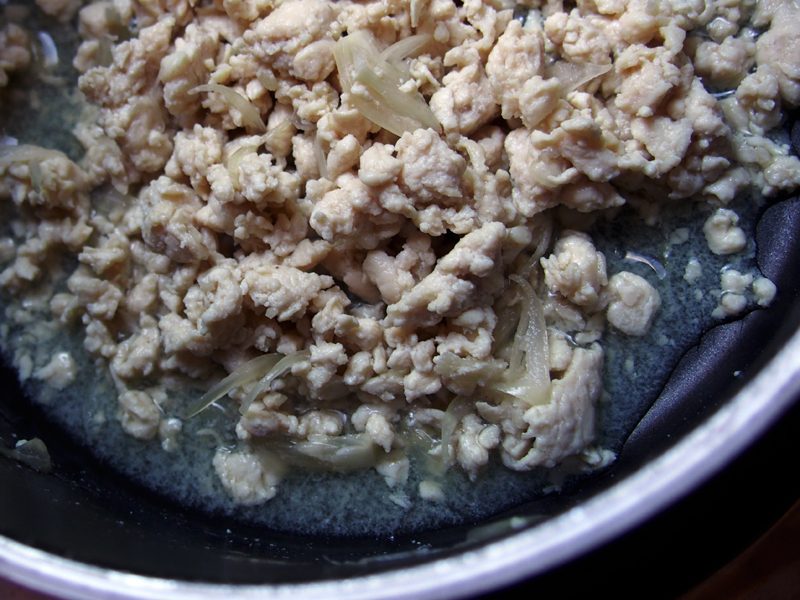
- In a bowl, mix the cooked chicken with the remaining ingredients. Adjust the seasoning if necessary.
- Serve this salad with a selection of raw vegetables, fresh aromatic herbs and sticky rice.
Frequently Asked Questions About Chicken Laab
Yes. Laab can be made with pork, beef, duck, fish or shrimp. The pork version is called laab moo.
Laab is generally served warm or at room temperature. It is best not to serve it straight from the fridge, as the cold dulls the flavours of the fresh herbs and toasted rice powder.
Ginger does not have the same flavour as galangal. If you cannot find fresh galangal, you can leave it out, but I do not recommend replacing it with the same amount of ginger, as the result will taste different.
You can cook and season the chicken a few hours in advance. Ideally, add the fresh herbs and some of the toasted rice powder shortly before serving.
Yes. You can omit the chilli or significantly reduce the amount. The dish will retain its tangy, salty and herbaceous flavours.
Both dishes use a similar dressing made with lime juice, fish sauce, chilli, fresh herbs and toasted rice powder. Laab is generally prepared with minced meat, whereas nam tok is usually made with grilled meat that is then sliced.
 English
  Français
bonjour, je viens de découvrir ton site et je suis bien content de pouvoir avoir des rcetts thai en français! j’ai vécu 6 ans en thailand et la bouffe me manque biensur! je cuisine souvent du phat prakao et autres currys. J’ai beaucoup bougé au Laos et le laap et la nam tok avec le riz gluant sont mes favoris! A bientôt pour de nouvelles recettes.
Bonjour Fred,
Merci pour ta visite. Effectivement, on ne trouve pas beaucoup de vraies recettes thaïes en Français. Contente de pouvoir me rendre utile 🙂
Où as-tu habité, en Thailande ? Tu as travaillé sur place ?
Effectivement, lac et riz gluant font aussi partie de mes chouchous et en plus, c’est super facile à préparer !
Bonne semaine à toi.
A bientôt
Kris
bonjour Kris, j’ai habité à ban phe pendant un an puis à hua hin. Je ne travaillais pas en fait j’avais touché une prime de licenciement et avec je suis resté en thailand.
Bonjour Amie lointaine
Merci pour cette petite entrée qui va se retrouver sur table aujourd’hui ,car j’ai du galanga au congel( malheureusement pas du frais)
Une question STP::qu’entends-tu par riz collant::du riz thaï ordinnair préparé avec moins d’eau ,ou du gluant???? .
Merci pour le retour, et je te lis avec toujours autant de plaisir. Bises Chris 06
Bonjour Chris,
Désolée pour le retard de ma réponse, j’espère que vous voue êtes régalés avec le lab 🙂
Pas de problème, le galanga se congèle bien et tu ne devrais pas sentir de grande différence entre le frais et le congelé.
Le riz collant est du riz gluant… il porte les 2 noms 🙂 désolée pour la confusion.
Contente que tu apprécies mes recettes, moi aussi je lis tes messages avec plaisir 🙂
Bon week-end à toi. A tout bientôt
Kris