
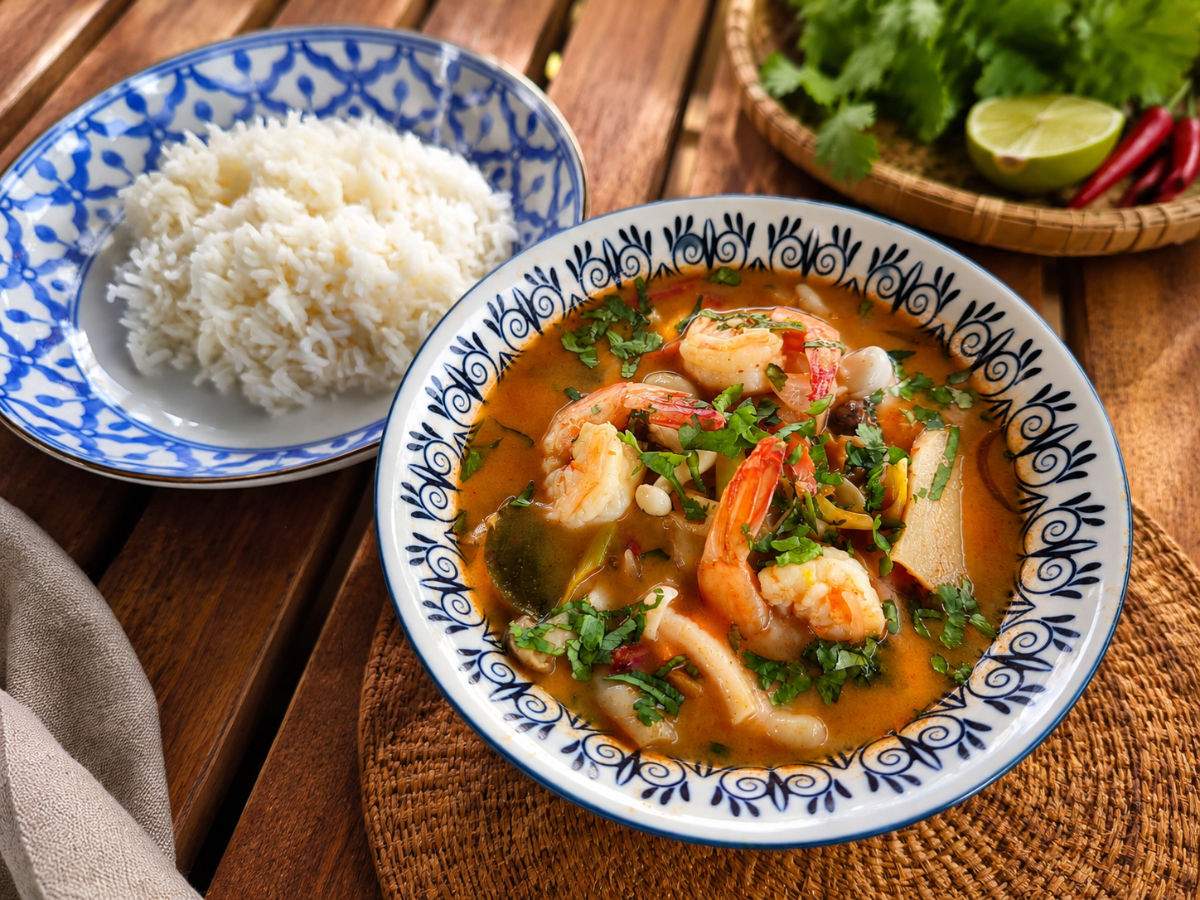
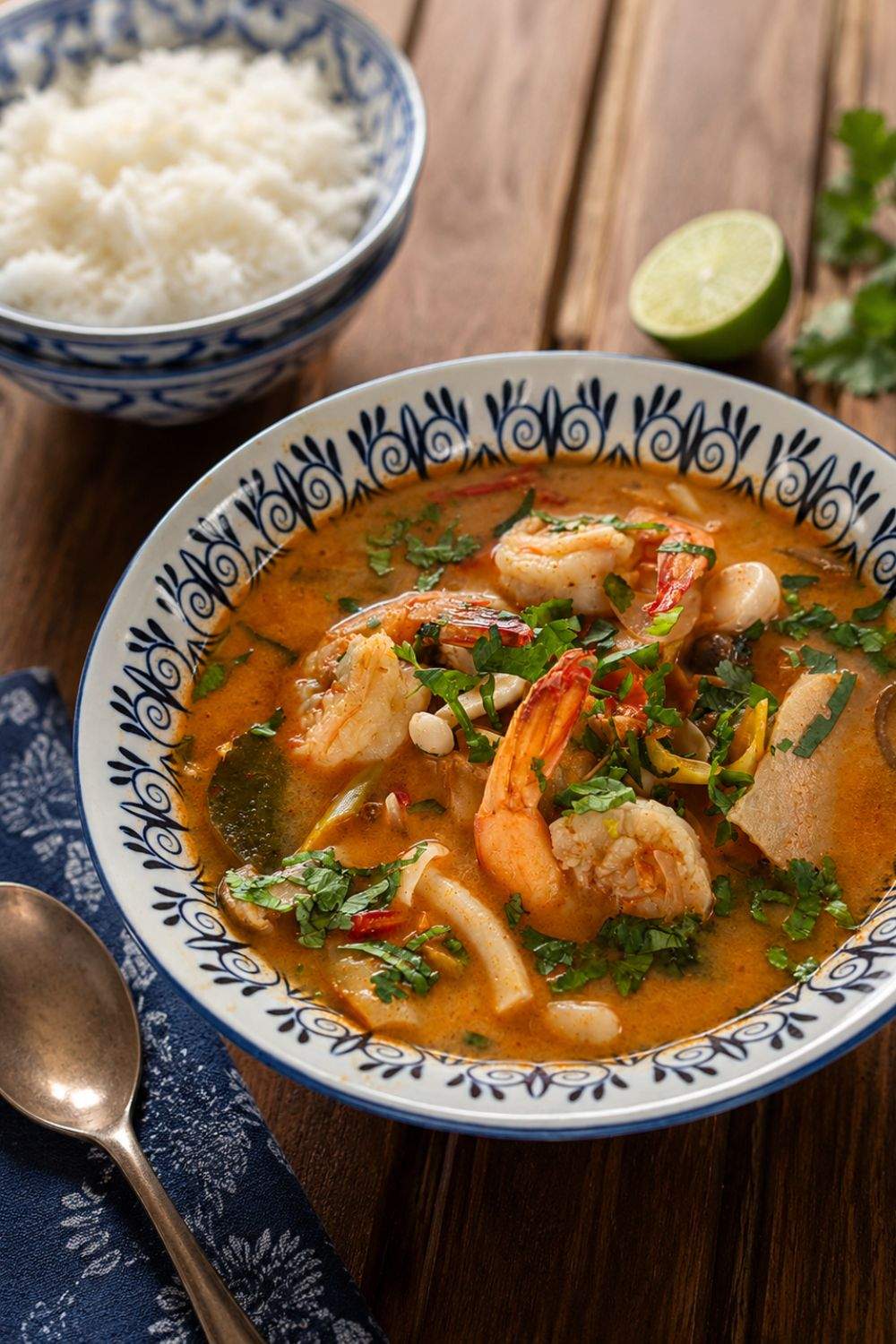
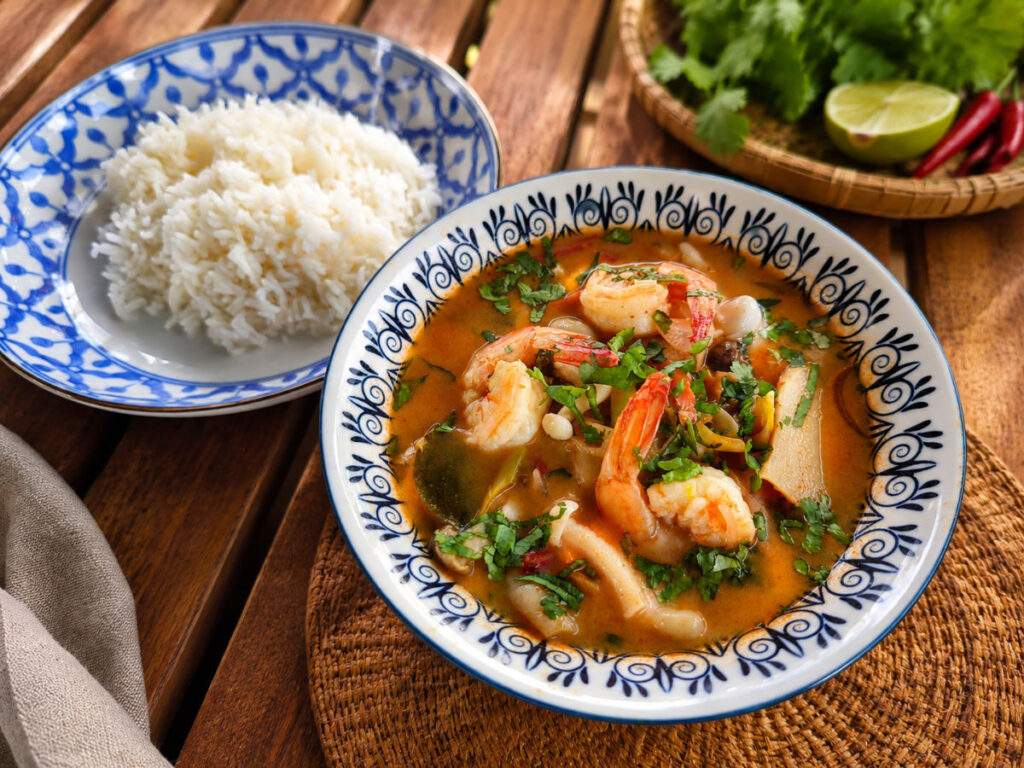
Le Tom Yum Nam Khon is the creamy version of the famous Thai Tom Yum (also spelled Tom Yam). Flavoured with lemongrass, galangal and makrut lime leaves, this soup combines sour, spicy and slightly creamy flavours, making it one of the most iconic dishes in Thai cuisine.
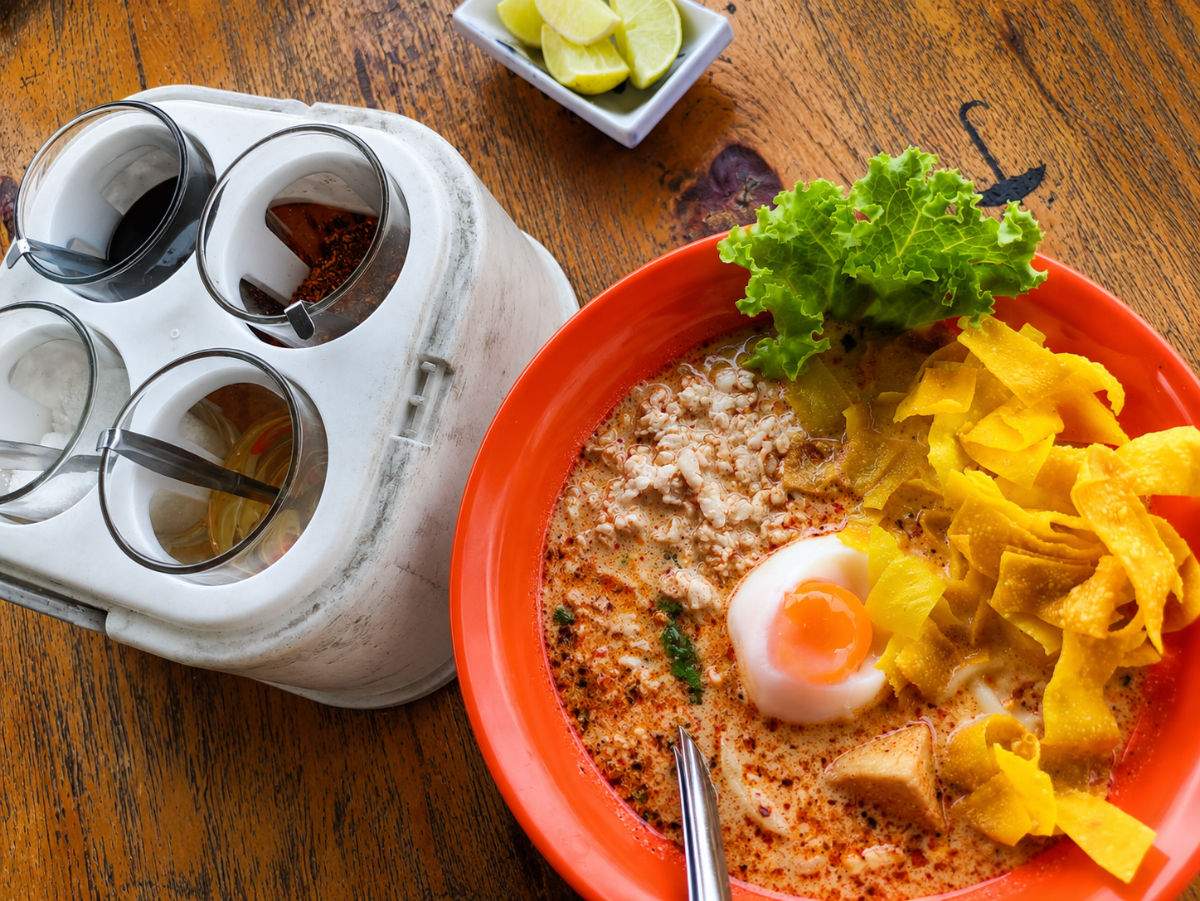
Very popular in restaurants and at street-food stalls, Tom Yam Nam Khon is usually made with shrimp (Tom Yum Goong), but there are also delicious versions with fish, seafood or chicken, as well as a vegetarian option. In Thailand, Tom Yam Nam Khon is generally served as a soupwith a bowl of jasmine rice, but it is also extremely popular as a noodle soup..
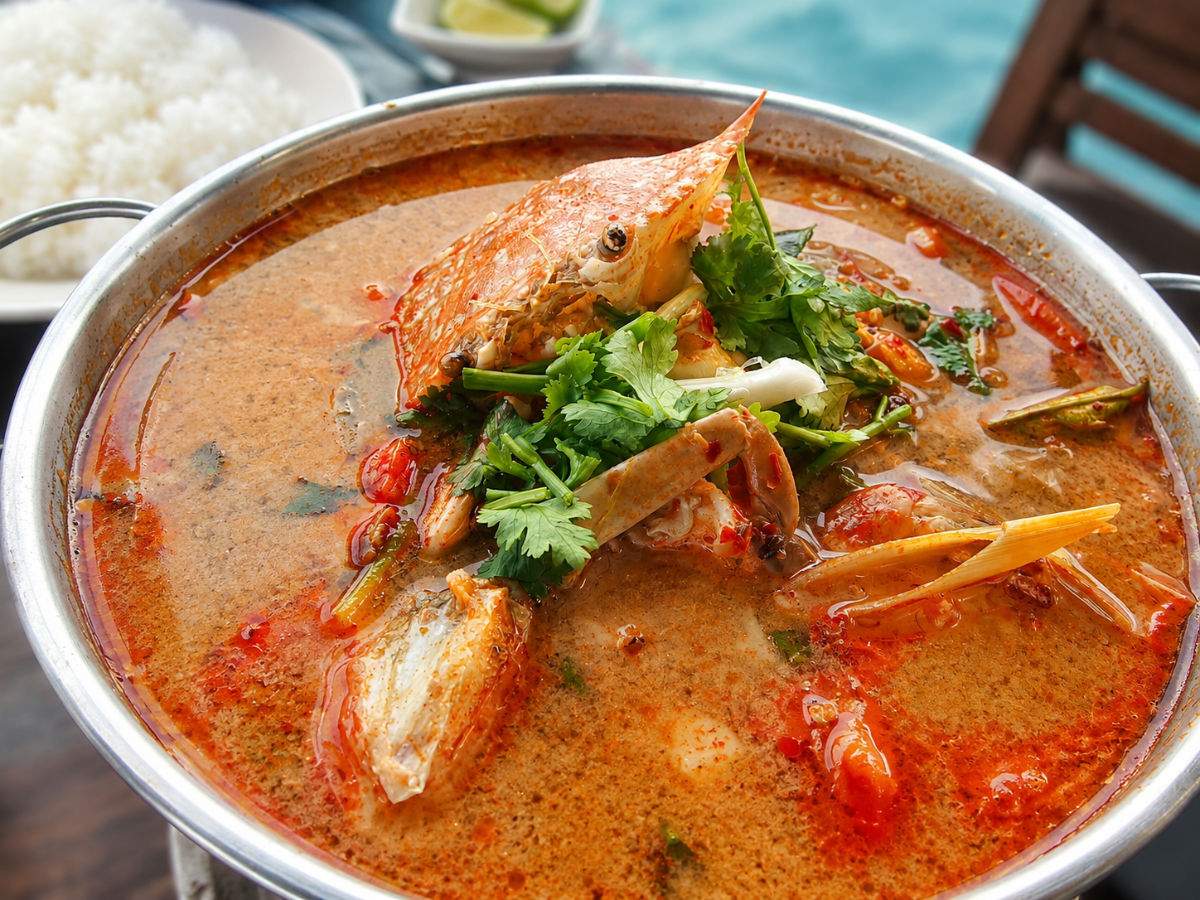
If, like me, you enjoy fragrant soups packed with flavour, this recipe may quickly become one of your favourites.
What is the difference between Tom Yam Nam Khon and Tom Yam Nam Sai?
In Thailand, there are two main versions of Tom Yum. Tom Yum Nam Sai is the traditional version. Its broth is clear, light and highly aromatic, highlighting the sharpness of the lime juice, the freshness of the lemongrass and the distinctive flavour of galangal. I particularly enjoy this version when it is made with fish. It is also Nan’s favourite soup. There is absolutely no persuading him to eat the creamy version: he swears by his classic Tom Yum, much to my dismay.
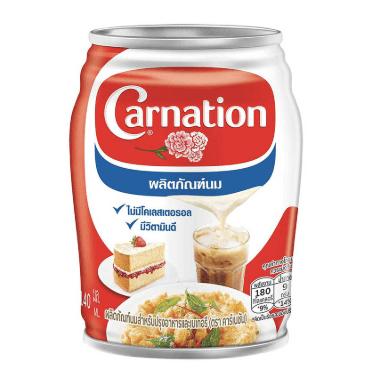
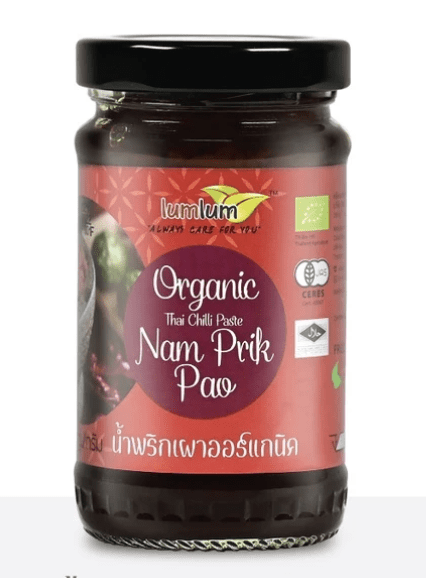
Le Tom Yum Nam Khonon the other hand, is richer and slightly creamy. It contains nam prik pao —the famous Thai roasted chilli paste that I love so much—as well as and unsweetened condensed milk (evaporated milk) are added to give the broth a smoother, rounder flavour without overpowering the aromatic herbs. This version pairs beautifully with shrimp, seafood and even noodles.
| Tom Yum Nam Sai | Tom Yum Nam Khon | Tom Kha | |
| Broth | Clear | Creamy | Creamy |
| Texture | Light | Smooth and velvety | Rich and silky |
| Creamy ingredient | None | Evaporated milk | Coconut milk |
| Dominant flavour | Tangy | Tangy and slightly creamy | Mild and aromatic |
🇹🇭 Why Is Tom Yam Nam Khon So Popular in Thailand?
Here in southern Thailand, where I live, the creamy version is the one I most often find in small local restaurants, particularly at noodle soup stalls.
Contrary to some recipes found online, Tom Yum Nam Khon is not generally prepared with coconut milk in this part of Thailand. Restaurants nearly always use unsweetened evaporated milk, which gives the broth a creamy texture while preserving its freshness. The result is much lighter than Tom Kha while still being pleasantly velvety.
I have never tasted a Tom Yum made with coconut milk here. I therefore prefer to share the version I regularly eat in Thailand and which, in my experience, is the most authentic.
🌶️ Did you know?
The word Tom means “to boil”, while Yam refers to the distinctive combination of tangy, salty and spicy flavours found in many Thai dishes. Tom Yam therefore literally means a boiled soup with “yam” flavours.
Tips for Making Tom Yum
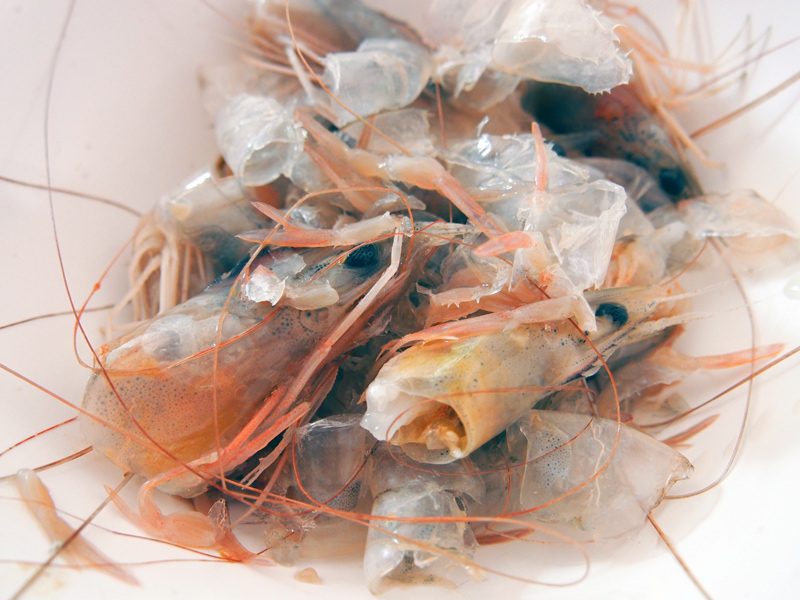
🌶️ Make a proper homemade stock. As a stock, you can use a ready-made fish or poultry stock, but a homemade shrimp stock will give you the best flavour.I take whole fish or unpeeled prawns and use prawn shells and heads or fish heads and trimmings to make a stock. I've written the recipe below.
🌶️ The aromatic herbs are not usually eaten. They are only used to flavour the broth. In Thailand, everyone simply sets them aside on their plate while eating.
🌶️ Preserve the freshness of the aromatics. Do not simmer the lemongrass, galangal and makrut lime leaves for too long, as the soup will lose its fresh aroma. I usually cook some galangal and lemongrass in the stock with the shrimp shells, leave it to simmer, and then strain the broth. I add fresh lemongrass, galangal and makrut lime leaves again at the last minute. This simple technique gives the soup a much fresher and more vibrant flavour.
🌶️ Nam Prik Pao makes all the difference. his roasted chilli paste—a personal favourite of mine ❤️—adds a subtle smoky note, a hint of sweetness and plenty of depth to the broth. It is one of the defining ingredients of Tom Yum Nam Khon.
💡 Chef’s tip
Always add the lime juice after removing the soup from the heat. Prolonged cooking dulls its aroma and acidity. This small detail provides the distinctive freshness of a true Thai Tom Yum.
How to Make Homemade Shrimp Stock
You can, of course, use a good-quality fish or chicken stock. However, if you want to recreate the flavours of a true Thai Tom Yum, I strongly recommend making your own stock.
Note: You can follow the same method using fish heads and trimmings.
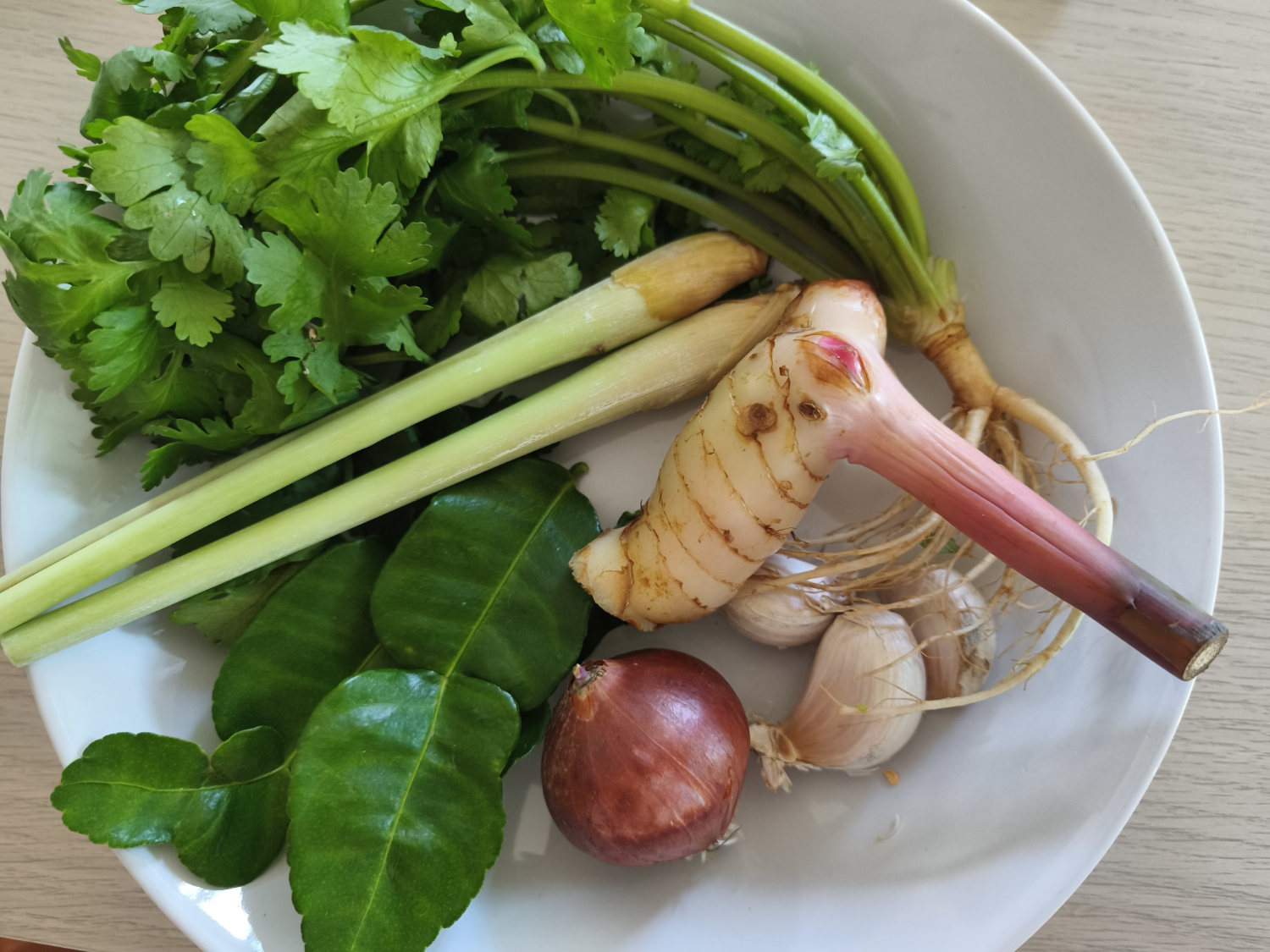
Place 1 litre of water in a saucepan with the shrimp shells and heads. Add 3 crushed garlic cloves, 1 roughly chopped onion, a few slices of galangal, 2 bruised lemongrass stalks and 4–5 makrut lime leaves. Bring to the boil, then simmer for 15–20 minutes. Strain the stock, keeping only the fragrant liquid.
This will give you an intensely aromatic base that will make all the difference to your Tom Yam Nam Khon.
🌿 Au Pays des Piments’ Tip
Whenever I buy whole shrimp, I freeze the heads and shells. I usually keep several bags of them in the freezer so that I can quickly make a rich, flavourful homemade stock. It is a simple habit that makes all the difference to a Tom Yum.
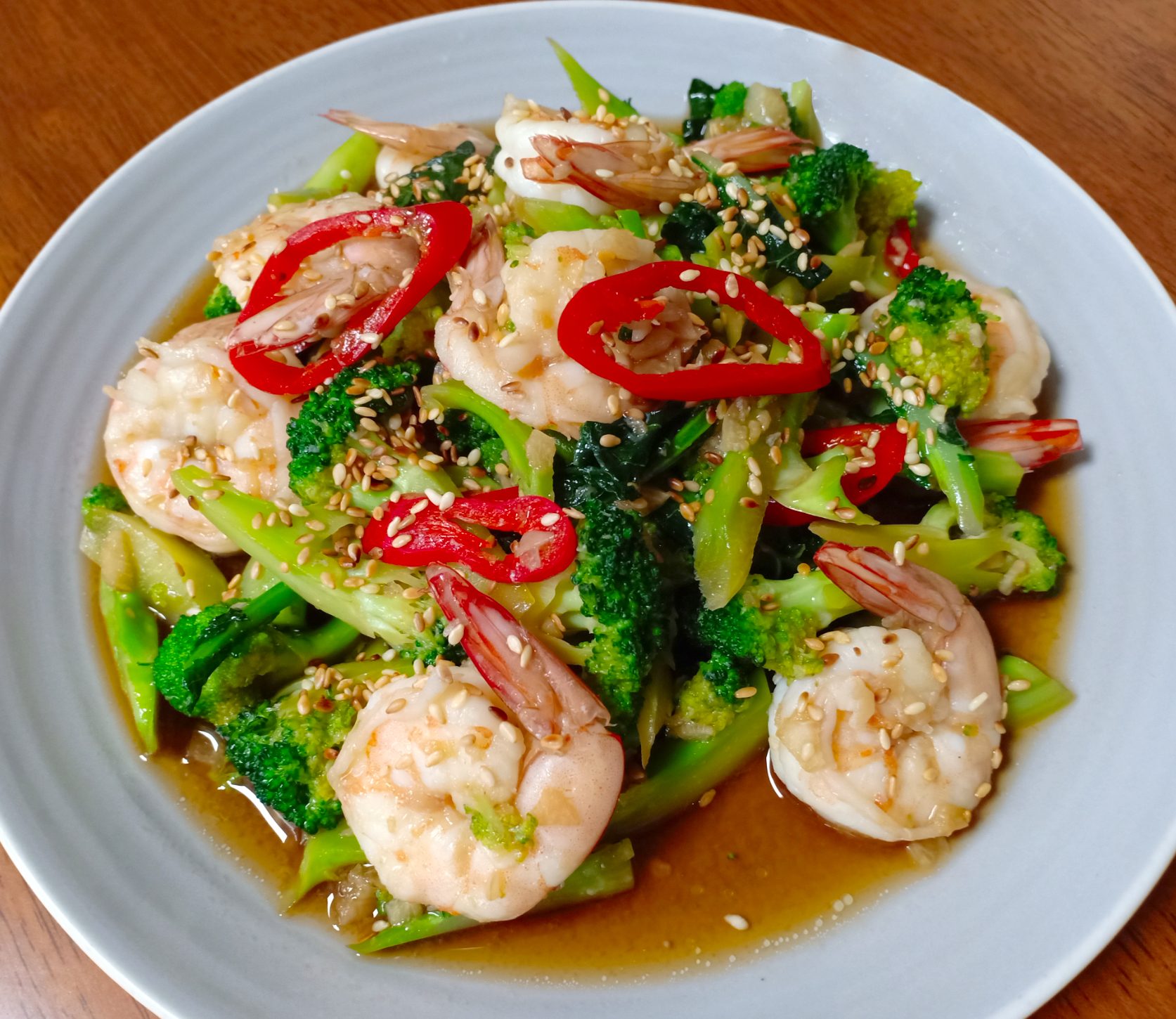
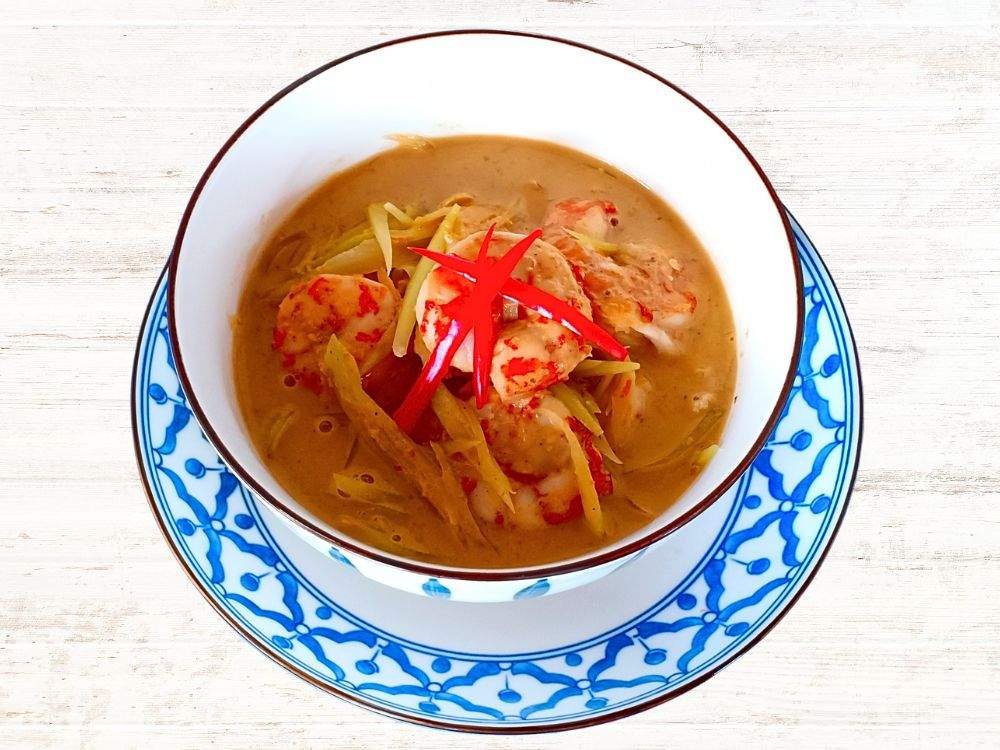
More Delicious Shrimp Recipes
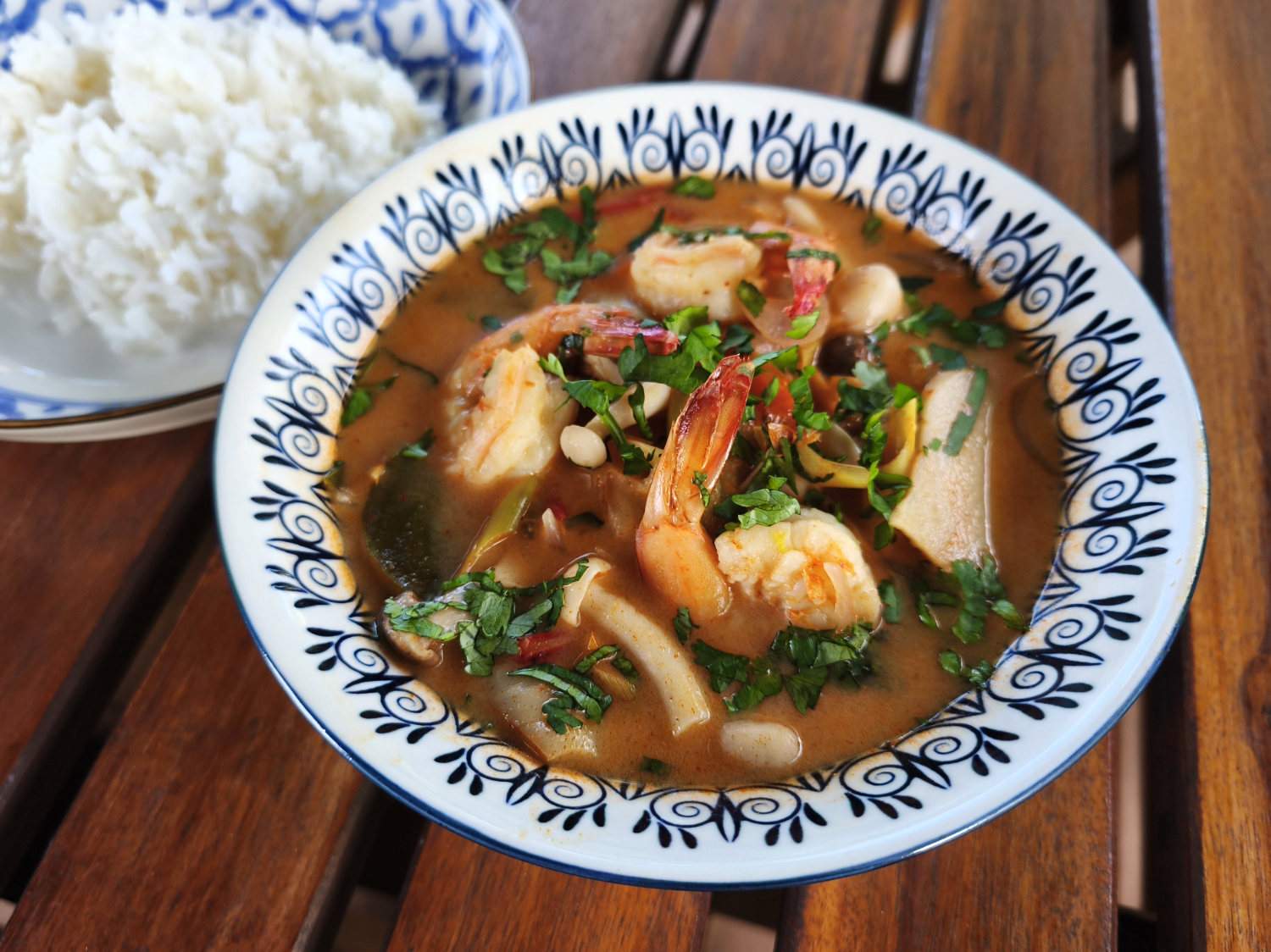
Tom Yum Nam Khon – Creamy Thai Shrimp Soup
Ingredients
- 1 litre of broth prawns, fish or vegetables
- 600 g of whole raw prawns
- 200-300 g of mushrooms straw mushrooms, shimeji, oyster or button mushrooms, as you wish
- 4 cloves of garlic
- 4 shallots
- 8 cm of galangal
- 3 racines coriander roots (or stems without leaves)
- 6-8 feuilles kaffir lime leaves
- 4 stalks of lemongrass
- 5-10 bird chillies as many as you like
- 3 small tomatoes
- 80 ml of fish sauce
- 60 ml of lime juice
- 40 g of nam prik pao (chili jam)
- 150 ml of unsweetened condensed milk non sucré
- coriander leaves chopped
Instructions
- Peel the shrimp, leaving the tails attached for presentation 🤩. Save the heads and shells to make the stock using the method in the notes below. Make a shallow cut along the back of each shrimp and remove the intestinal vein. Rinse well under running water and drain.
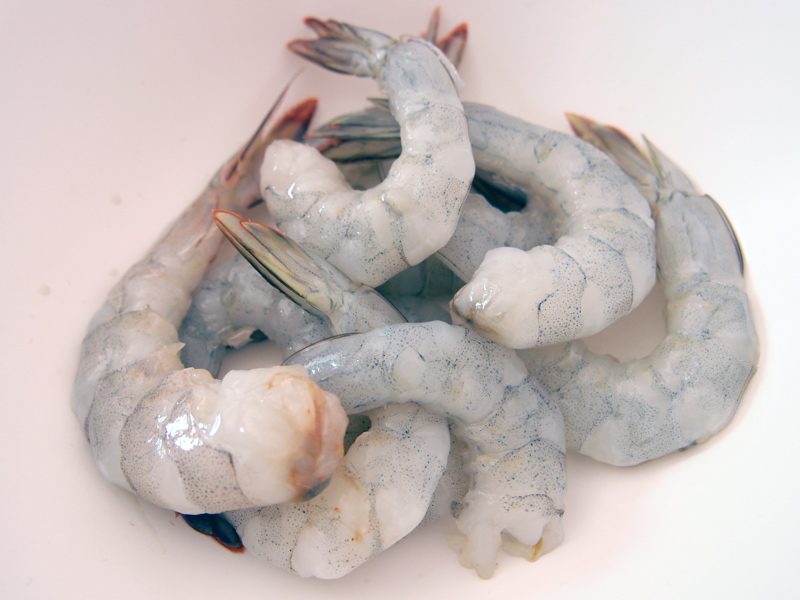
- Heat the broth and add :the peeled and crushed garlic, peeled and crushed shallots, scrubbed and thinly sliced galangal, finely chopped coriander roots and roughly torn makrut lime leaves. and as many chillies as you like (cut lengthways into 2). Add the crushed lemongrass sticks, cut into 2-3 cm pieces.
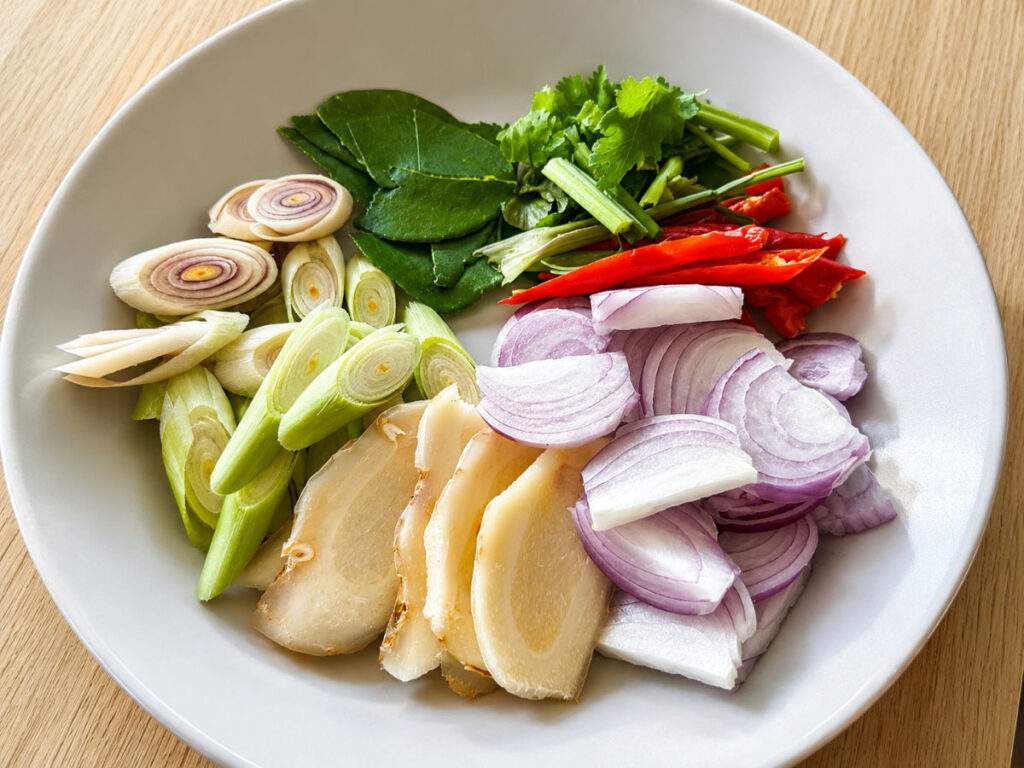
- Cook for 10 minutes to allow the condiments to flavour the broth. Add fish sauce and chopped mushrooms, and simmer for 5 minutes.
- Add the prawns, quartered tomatoes, nam prik pao and unsweetened condensed milk. Once the prawns are cooked, turn off the heat.
- When off the heat, add lime juice and chopped coriander leaves.
- The soup should be sufficiently salty and nicely acidic. Add fish sauce or lemon juice if necessary.
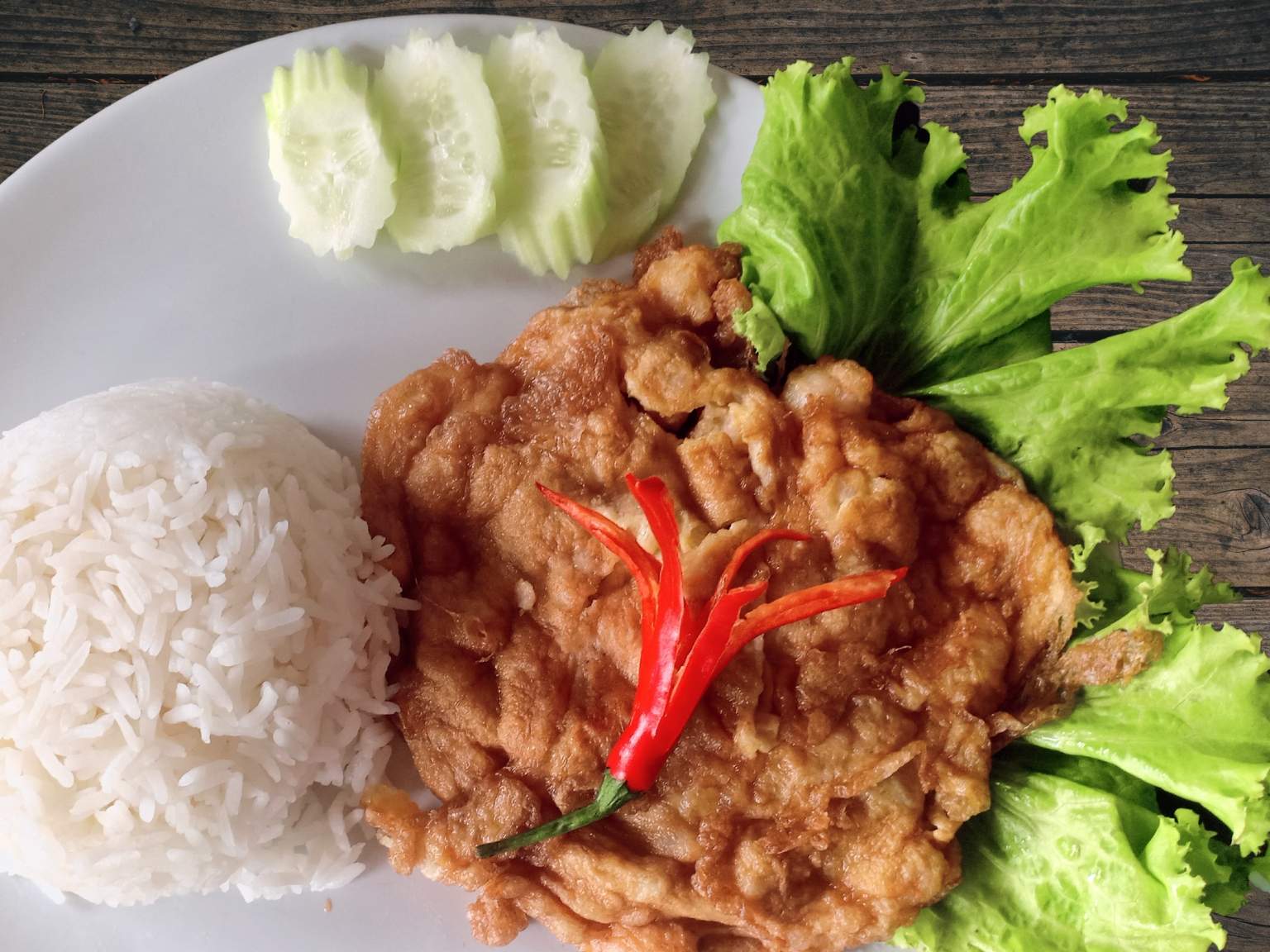
- Serve with jasmine rice and a Thai omelette.
Notes
Place 1 litre of water in a saucepan with the prawn shells and heads. Add 3 crushed garlic cloves, a roughly chopped onion, a few slices of galanga, 2 crushed lemongrass sticks and 4-5 kaffir lime leaves. Bring to a boil and cook over a medium heat for 15-20 minutes. Strain to retain only the fragrant water.
 English
  Français